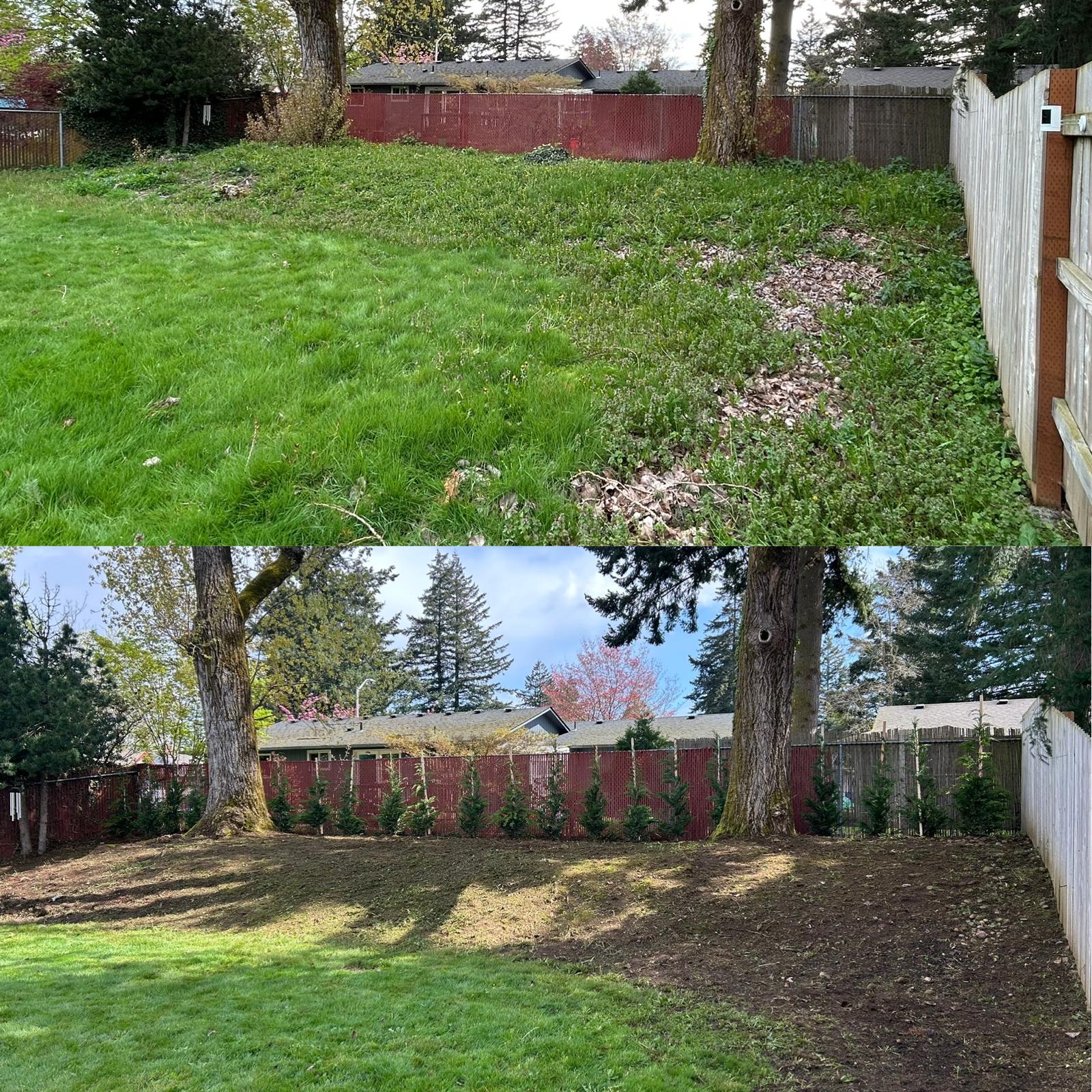
The Benefits of Hardscaping in Your Yard
Hardscaping is a critical aspect of landscape design that involves the use of non-plant elements to enhance outdoor spaces. This can include patios, walkways, retaining walls, and other structural features. In this blog post, we will explore the many benefits of hardscaping, how it can elevate your outdoor space, and tips for effective patio design.
What is Hardscaping?
Hardscaping refers to the built environment in landscaping, which includes paved areas, walls, and other structural features. Unlike softscaping, which focuses on plants and organic elements, hardscaping provides stability, functionality, and aesthetic appeal.
Key Benefits of Hardscaping
- Increases Usable Space: Hardscaping creates functional areas for entertaining, dining, and recreation.
- Enhances Aesthetics: Well-designed hardscape features can significantly improve the visual appeal of your yard.
- Low Maintenance: Hardscaping requires less upkeep than traditional landscaping, reducing long-term costs.
- Improves Drainage: Properly designed hardscaping can help manage water runoff and prevent erosion.
- Increases Property Value: Quality hardscaping can enhance the overall value of your home.
Types of Hardscaping Elements
- Patios: Outdoor spaces for dining and relaxation, often made from stone, concrete, or tiles.
- Walkways: Pathways that connect different areas of your yard, enhancing accessibility.
- Retaining Walls: Structures that hold back soil and prevent erosion, adding dimension to your landscape.
- Fire Pits: Outdoor features for warmth and ambiance, perfect for gatherings.
- Fences and Pergolas: Provide privacy and shade while adding aesthetic value.
Considerations for Hardscaping Design
When planning your hardscaping project, several factors should be considered to ensure optimal results:
- Purpose: Define how you want to use the space (entertaining, relaxation, etc.).
- Style: Choose materials and designs that complement your home’s architecture.
- Budget: Establish a budget that considers materials, installation, and future maintenance.
- Climate: Select materials that can withstand local weather conditions.
- Sustainability: Opt for eco-friendly materials and designs to minimize environmental impact.
Hardscaping vs. Softscaping
While hardscaping focuses on non-plant elements, softscaping involves the use of plants, trees, and flowers. Both are essential for a balanced landscape design.
Benefits of Softscaping
- Adds Color: Plants provide vibrant colors and seasonal changes.
- Improves Air Quality: Vegetation can help purify the air.
- Enhances Biodiversity: Plants attract various wildlife and beneficial insects.
Integrating Hardscaping and Softscaping
For the best results, integrate hardscaping and softscaping elements. For example, a patio surrounded by colorful flower beds can create a stunning outdoor space that is both functional and inviting.
Tips for Effective Patio Design
- Choose the Right Location: Ensure your patio gets sunlight and is easily accessible.
- Use Quality Materials: Select durable materials that complement your home’s style.
- Incorporate Shade: Use umbrellas or structures to provide shade during hot days.
- Add Lighting: Install outdoor lighting to enhance ambiance and safety.
- Include Furniture: Select comfortable and weather-resistant furniture to make the space inviting.
Conclusion
Incorporating hardscaping into your yard not only enhances its beauty but also adds functionality and value. By carefully considering your design, integrating both hardscaping and softscaping, and following best practices, you can create an outdoor space that you and your family will enjoy for years to come. At Nando's Yard Care LLC, we are here to help you with all your hardscaping needs and ensure your yard becomes the outdoor oasis you've always dreamed of.