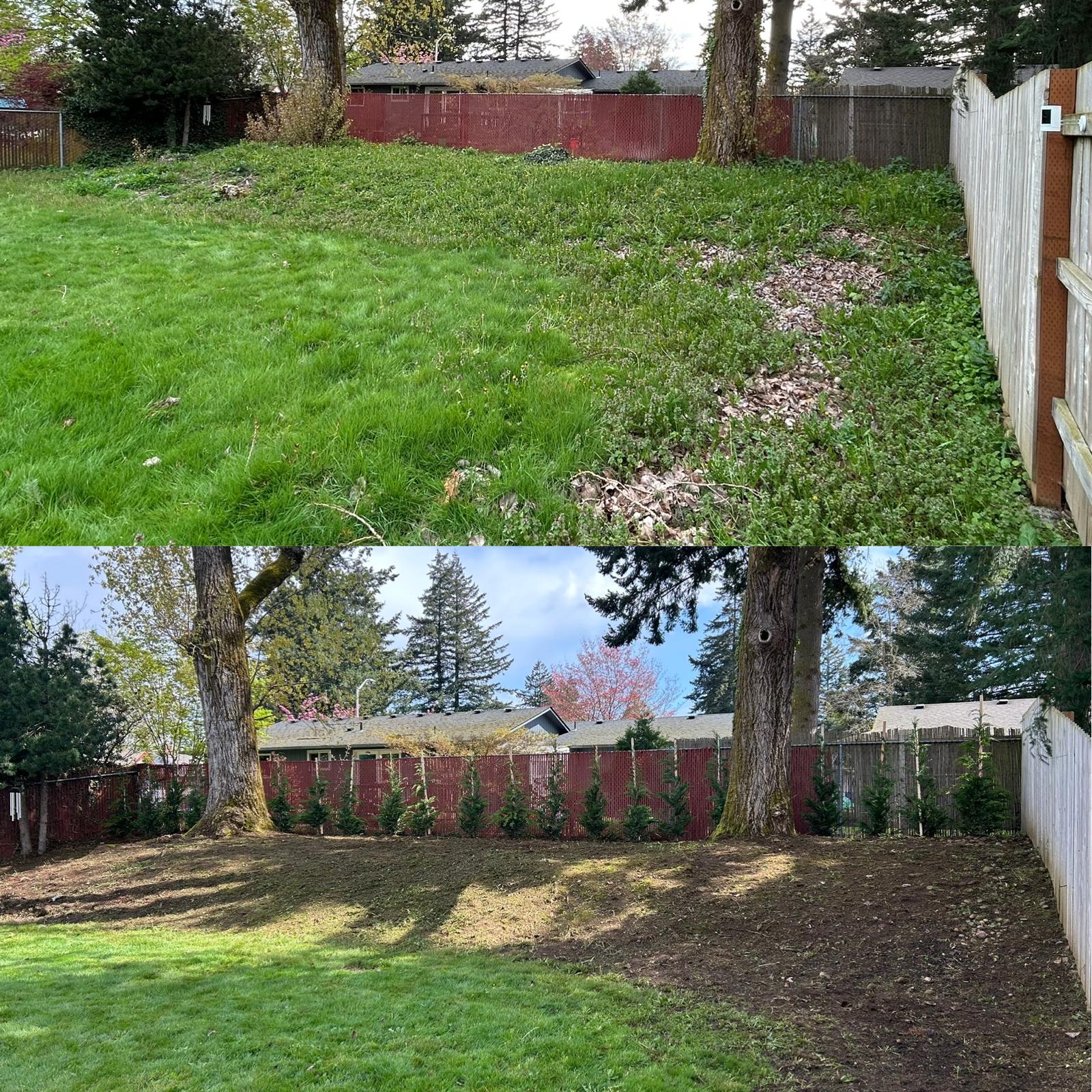
Top Landscaping Trends for 2026
As we approach 2026, the world of landscaping is evolving to meet the demands of eco-conscious consumers, technological advancements, and innovative design aesthetics. This blog post explores the top landscaping trends that will shape outdoor spaces in the coming year.
Sustainable Landscaping Practices
Sustainability continues to be at the forefront of landscaping trends. Homeowners are increasingly interested in practices that reduce environmental impact and promote biodiversity.
- Native plants for lower water usage
- Rain gardens to manage stormwater
- Organic gardening techniques
- Composting to enrich soil health
- Use of permeable paving materials
Smart Technology Integration
The integration of smart technology into landscaping is on the rise. Homeowners are looking for ways to make their outdoor spaces more efficient and user-friendly.
- Automated irrigation systems
- Smart lighting systems with app control
- Robotic lawn mowers
- Weather sensors for real-time data
- Drones for landscape monitoring and planning
Outdoor Living Spaces
Creating functional outdoor living spaces remains a top priority for homeowners. These areas are designed for relaxation, entertainment, and enhancing the overall aesthetic of the property.
- Outdoor kitchens for culinary enthusiasts
- Fire pits for cozy gatherings
- Pergolas and shade structures
- Water features like fountains and ponds
- Comfortable seating arrangements
Vertical Gardening and Green Walls
As urban living spaces become more compact, vertical gardening and green walls offer a solution for maximizing greenery in limited areas.
- Utilization of wall-mounted planters
- Incorporation of climbing plants
- Use of hydroponic systems for space efficiency
- Sustainable materials for construction
- Integration of aesthetics with functionality
Colorful and Textured Plantings
In 2026, expect to see a shift towards bold colors and diverse textures in plant selections, creating visually striking landscapes.
- Vibrant flower beds with seasonal blooms
- Diverse foliage with varying shapes
- Contrasting colors for visual interest
- Layering plants for depth
- Use of ornamental grasses for movement
Drought-Resistant Landscaping
With climate change posing challenges, drought-resistant landscaping is becoming essential. Homeowners are opting for designs that require less water and maintenance.
- Xeriscaping techniques for water conservation
- Selection of drought-tolerant species
- Mulching to retain soil moisture
- Drip irrigation systems
- Incorporation of rocks and gravel for drainage
Conclusion
The landscaping trends for 2026 reflect a growing emphasis on sustainability, technology, and personalized outdoor experiences. By integrating these trends, homeowners can create beautiful, functional, and environmentally friendly landscapes that enhance their properties and support a healthier planet.